KEYNOTE SPEAKERS
Rachel Armstrong
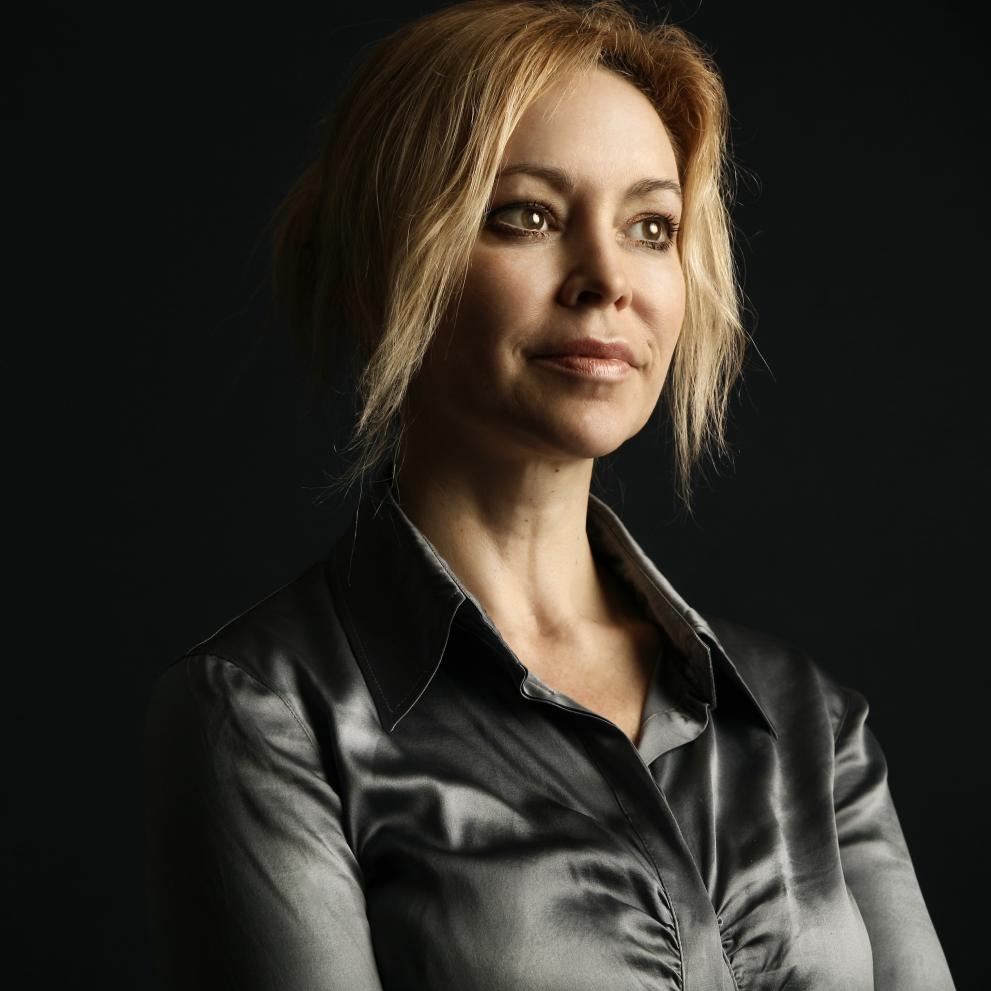
Rachel Armstrong is a Professor of Design-Driven Construction for Regenerative Architecture at KU Leuven, Belgium. She is a pioneering figure in regenerative architecture, applying biological and origin-of-life principles to material practices.
Her research aims to develop next-generation sustainability technologies, methods, and prototypes that exceed environmental neutrality and enhance the life-bearing potential of sites. Armstrong’s interdisciplinary work spans various scales, from millimeter-scale experiments to architectural design installations.
Her portfolio explores metabolically active droplet systems, bioreactors, mycelium biocomposites, and bio-digital energy systems and her installations challenge spatial and architectural conventions, establishing principles for environmentally beneficial human development.
Armstrong also coordinates high-profile projects, including Microbial Hydroponics (Mi-Hy), Active Living Infrastructure: Controlled Environment (ALICE) and Living Architecture.
Albert Cuchí

Albert Cuchí, holding a doctorate, serves as a professor at the Polytechnic University of Catalonia, where his academic focus lies in sustainability and architecture, encompassing both teaching and research.
His extensive collaboration includes partnerships with prestigious institutions such as the Urban Ecology Agency of Barcelona and the autonomous government of Catalonia. Additionally, he acts as an advisor to the Ministry of Housing of the Spanish Government.
Albert Cuchí played a pivotal role in proposing environmental themes for Zaragoza’s bid for Expo 2008, specifically focusing on “Water and Sustainable Development.” Notably, he authored the section on construction within the Spanish Strategy for Sustainable Urban Environment and recently contributed to a significant report addressing the Spanish building sector’s response to climate change.
INVITED SPEAKERS
Cynthia Echave
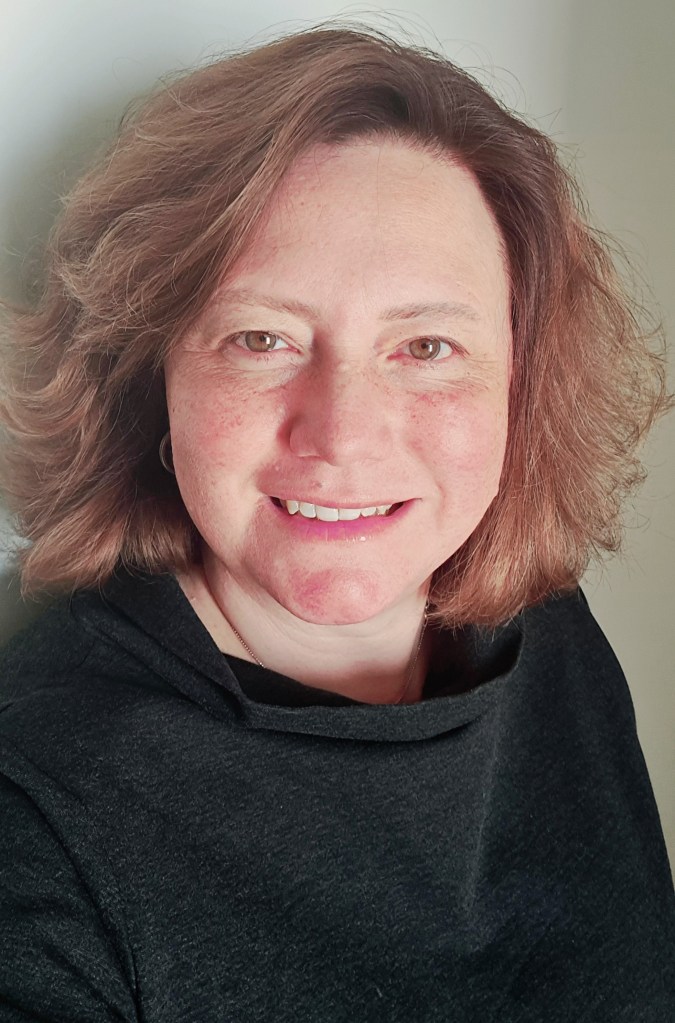
Cynthia Echave is an Associated Professor at the Architecture School La Salle at Ramon Llull University. Her work has been mainly dedicated to applied place-based research in transformative and regenerative urban planning with an ecosystemic approach, assessing private and public entities. She was Head of the Urban Planning and Public Space Unit at the Urban Ecology Agency of Barcelona from 2006 to 2020 where she coordinated the development of projects based on ecological principles. Some of the most relevant activities were the development of the Superblocks’ model and its application in several cities in Spain and Latin America. In recent years, she has worked on knowledge transfer actions, developing the Ecosystemic Transition Unit framework and the ETU Initiative, focused on positive and clean energy transition in rural areas and islands in the Mediterranean.
Currently, she forms part of the Opportunity Discovery Mechanism at the Department of Research and Universities of the Generalitat de Catalonia, as part of the RIS3CAT 2030, Strategy for the intelligent specialization of Catalonia 2030 focused on transformative policy innovation that contribute to move towards a greener, resilient, digital and fairer socio-economic model at regional level.
Studio Hammer
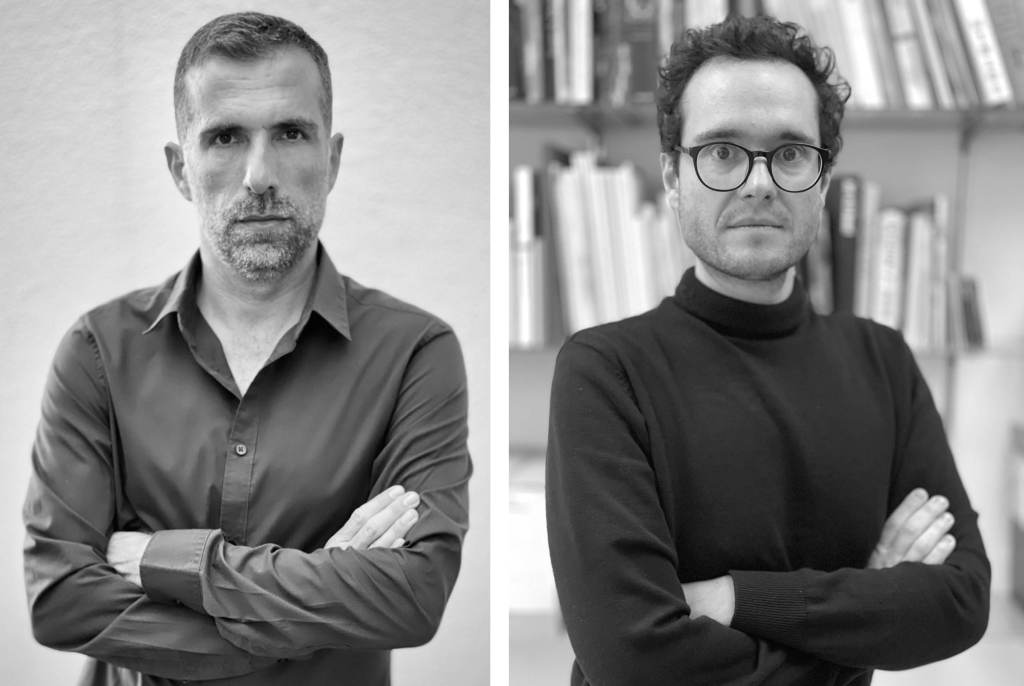
STUDIO HAMMER is an architectural practice founded in Basel in 2022 by Duarte Brito and Nuno Silva, whose personal, academic, and professional backgrounds have strong international references. From the very beginning, the practice has actively collaborated with artisans, activists, and artists to expand its approach to projects and incorporate local building culture.
The projects respect existing structures and traditions, embrace local values, and become integrated parts of them. At the same time, they are open to global conditions and are inspired by the latest building technologies and social needs. The architectural research practice aims to inspire a sense of fulfillment without relying on complex explanations or theoretical constructions. It proves its value in everyday use and enhances the quality of life for its users. If future generations can also enjoy it, the studio will have achieved its vision of regenerative architecture.
In addition to building, teaching is a core activity of the studio. Its team members frequently contribute as invited teachers, lecturers, workshop leaders, and jury members at numerous universities worldwide.
GUEST SPEAKERS
Pedro Gadanho
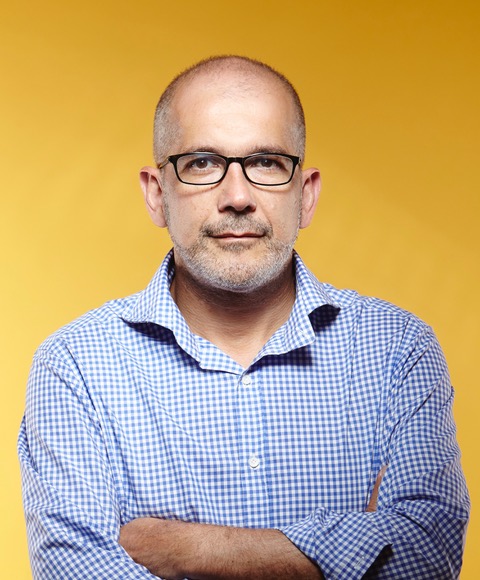
Pedro Gadanho is an architect, author and independent curator based in Lisbon. A 2020 Loeb Fellow from Harvard University, Gadanho holds an MA in art and architecture, and is a PhD in Architecture and Mass Media from the University of Porto. From 2012 to 2016, he was the curator of contemporary architecture at the Museum of Modern Art, New York, where he coordinated the Young Architects Program and curated exhibitions such as 9+1 Ways of Being Political, Uneven Growth, and A Japanese Constellation. Between 2015 and 2019, he was the founding Director of MAAT, the Museum of Art, Architecture and Technology, in Lisbon, where he initiated more than 50 exhibition projects, including shows and publications such as Utopia/Dystopia, Tension & Conflict, and Eco-Visionaries.During 2020-21, he led a bid for European Capital of Culture 2027 by a coalition of 17 cities in Portugal’s interior, and became a Guest Professor at the University of Beira Interior. In the Spring of 2024, he was a Guest Design Critic at the Harvard University Graduate School of Design.
He is the author of Climax Change! How Architecture Must Transform in the Age of Ecological Emergency(ACTAR Publishers: New York/Barcelona, 2022). His previous book, Arquitetura em Público, won the FAD Prize for Thought and Criticism in 2012. He has edited the BEYOND bookazine, the ShrapnelContemporary blog, and contributes regularly to international publications.
Rolf Hughes
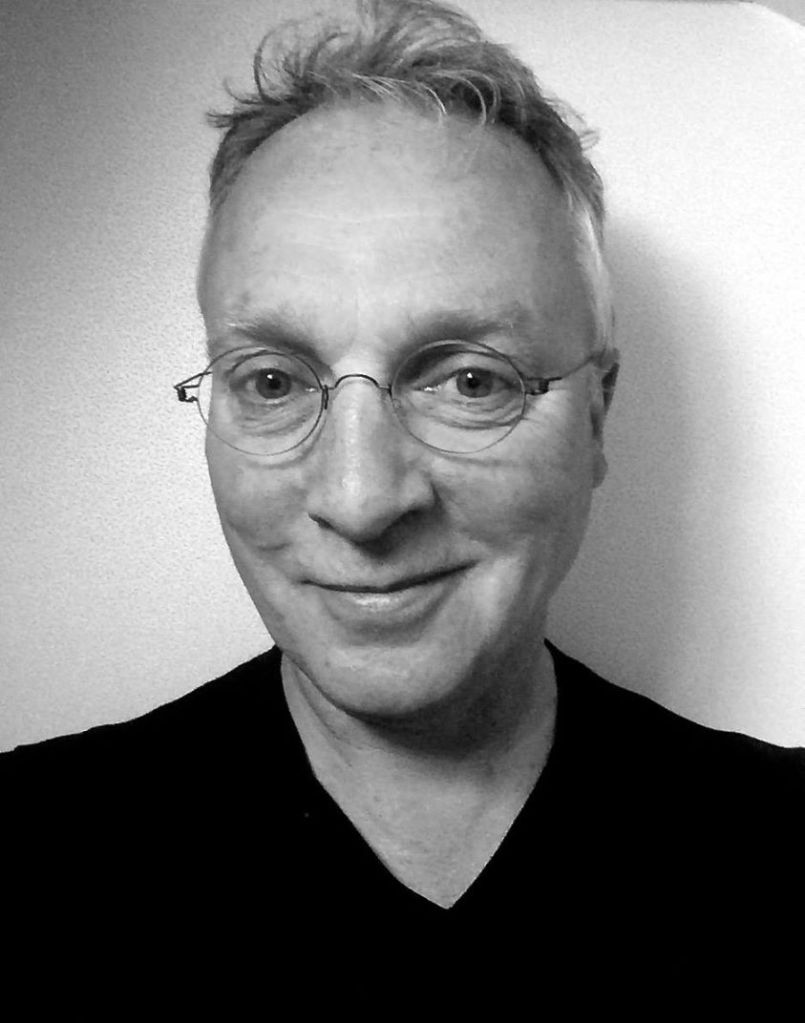
Writer, artist, academic, thought leader; expert advisor on artistic research to national research councils in Sweden, Norway, Portugal, and Austria; reviewer for the European Research Council (ERC Consolidator Grant, 2023); twice elected Vice-President of the international Society for Artistic Research; full professorships in Sweden, Belgium and Estonia; member of the “Emerging Bio-Age” expert group at Chatham House, London (2021-today); co-founder (with Rachel Armstrong) of the Experimental Architecture Group (2016-today) which exhibits, performs and publishes internationally; Director of Education for EIT Culture & Creativity with a focus (from 2024) on commissioning Higher Education courses and continuous professional development/lifelong learning in AI, architecture, audio-visual media, craft, cultural heritage, fashion, and gaming for members of the Cultural and Creative Sectors and Industries (CCSI).
Veronika Valk-Siska
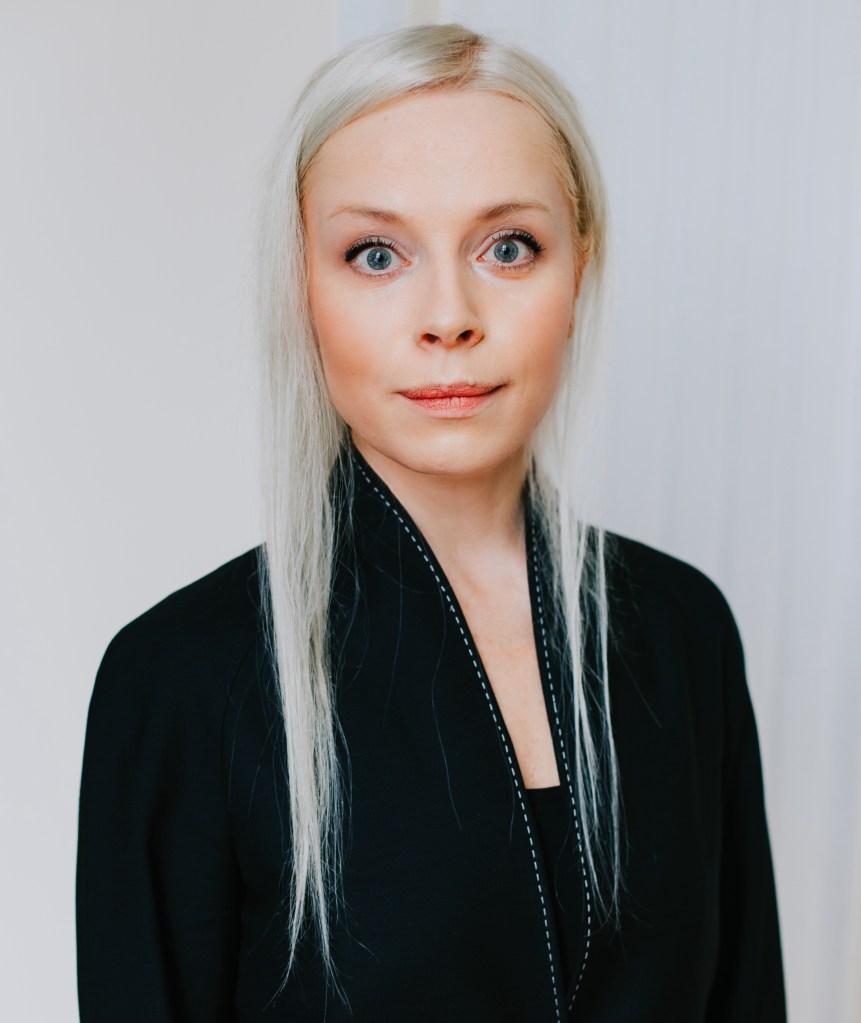
Veronika Valk-Siska, PhD, trained as an architect, is Head of Housing Policy at the Ministry of Climate of Estonia. In 2020-2022, Veronika chaired an Open Method of Coordination (OMC) group of EU Member States’ experts on High-quality architecture and built environment for everyone. She has worked as advisor on Architecture and Design at the Ministry of Culture of Estonia (2015-2022), also as an educator and researcher at TalTech, the Estonian Academy of Arts and the RMIT University. As an architect, she has constructed both public and private buildings, designed interiors and landscapes. Laureate of Young Architect Award 2012, she has won dozens of prizes at various architecture and planning competitions and published a number of critical essays on architecture and urbanism. Believer in „architecture as initiative“, she was one of the key initiators of Kultuurikatel creative hub on Tallinn waterfront, and was the AD of Tallinn Festival of Light (Valgusfestival) in 2000s.
Maria João Rodrigues
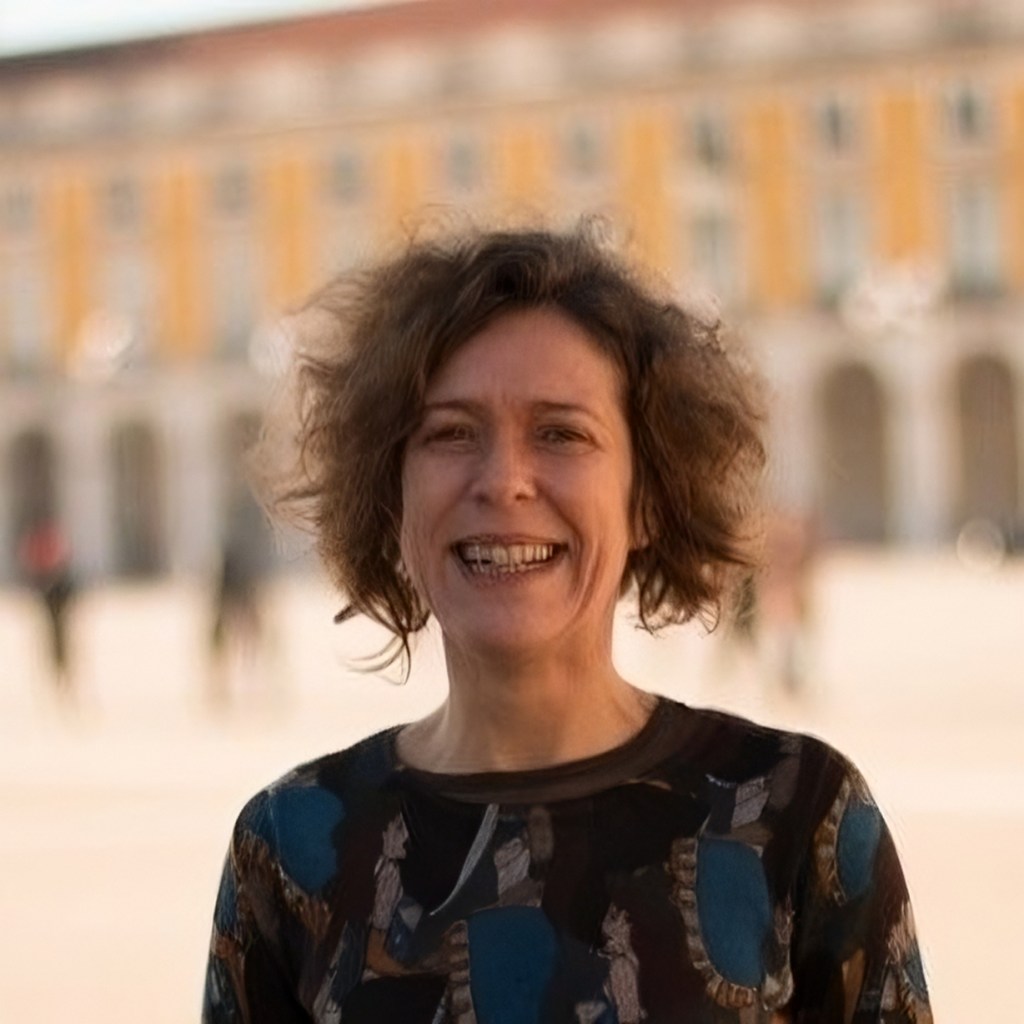
Maria was granted by Instituto Superior Técnico (IST), Technical University of Lisbon, a B.Sc. degree in Mechanical Engineering, Major in Applied Thermodynamics; a M.Sc. degree in Engineering Policy and Management of Technology; and a Ph.D. degree in Engineering and Industrial Management, partially conducted at the Department of Engineering and Public Policy (EPP) of Carnegie Mellon University (CMU | PA, USA). Maria holds a diversified carreer in sustainable energy, having been employee of Agência de Inovação, the Portuguese National Innovation Agency and of several private companies; founding partner and manager of wee-solutions and Green Egg; president of APISOLAR, the Portuguese Solar Industry Association; in-house consultant of ADENE, the Portuguese Energy Agency; and Technical and Financial Director of Lisbon’s Energy and Environment Agency, Lisboa E-Nova.Maria served as advisor to the Secretaries of State of Environment and Energy and of Energy and Climate of the XXIII Portuguese Government. Presently she is research fellow and member of the scientific council of IN+, Centre for Innovation, Technology and Policy Research at IST and Executive Coordinator of the Portuguese Cities for Climate Network.
 Trans Carbon Habitat Conference